NYC homeowner guide
Hiring a Painter in NYC
A complete homeowner's guide to hiring a painter in New York City, from comparing quotes and checking insurance to understanding what you are actually paying for, plus where to find licensed painters in your borough.
Quick Takeaways
- NYC interior painting typically runs $1,000 to $7,000 or more, with a standard 1-bedroom usually landing between $2,500 and $4,000.
- DIY is usually cheaper in dollars, but rushed prep is the top reason a DIY paint job fails early. For buildings built before 1978 where paint will be disturbed and a child under 6 lives there, hiring a lead-safe certified contractor is legally required, not a choice.
- The painter you choose matters more to cost and quality than the paint itself.
- Confirm a current certificate of insurance before any work starts, and a license where the job requires one.
- Get at least 3 written quotes for the same scope so you compare fairly.
- A quote well under $1,500 for a full 1-bedroom is usually a cheaper "turnover" tier of job, not a bargain on the same work, so confirm the scope before assuming you found a deal.
Compare painting prices and pros
Real prices and licensed local pros, all in one place. Nobody pays to rank higher.
Start here: how ServHom is different
Most ways to find a painter either sell your contact details to a pile of contractors or rank whoever pays the most. ServHom does neither. We surface licensed, verified painters and real prices that homeowners reported, so you can compare on merit, not ad spend.
Use this guide to hire well, then compare local painters and see what people actually paid using the links throughout this page.
Is it worth hiring a painter, or should you DIY?
This is usually the real first question, before vetting anyone. It depends less on the paint itself and more on time, prep, and what your building requires.
- Prep is most of the work, and it is where DIY jobs usually go wrong. Scraping, spackling, sanding, and caulking take real skill and real time; rushed prep is why a DIY paint job often looks fine for a few months and then fails early, while a professional job holds up for years.
- Time adds up fast. A professional crew typically finishes a 1-bedroom apartment in 2 to 3 days. A first-time DIYer working evenings and weekends around a full-time job should expect that same apartment to take several weekends, not a weekend.
- Pros usually get contractor pricing on paint, roughly 10 to 30 percent off retail, which offsets some of their labor cost. Buying paint yourself only clearly wins if your time has low opportunity cost and the job is small and low-prep.
- For buildings built before 1978, this is not a close call: the federal EPA RRP rule requires a lead-safe certified contractor if paint is disturbed and a child under 6 lives there. DIY is not a legal option in that specific situation, regardless of skill level. A separate NYC rule, Local Law 1 of 2004, applies to an even older building stock (before 1960) and adds its own landlord lead-paint obligations, so do not assume one of these covers the other.
- A reasonable rule of thumb: DIY makes sense for a small, low-prep room in a newer building where you have the time. Hiring makes more sense for anything with real prep, more than one or two rooms, or a pre-1978 building.
What painting costs in NYC
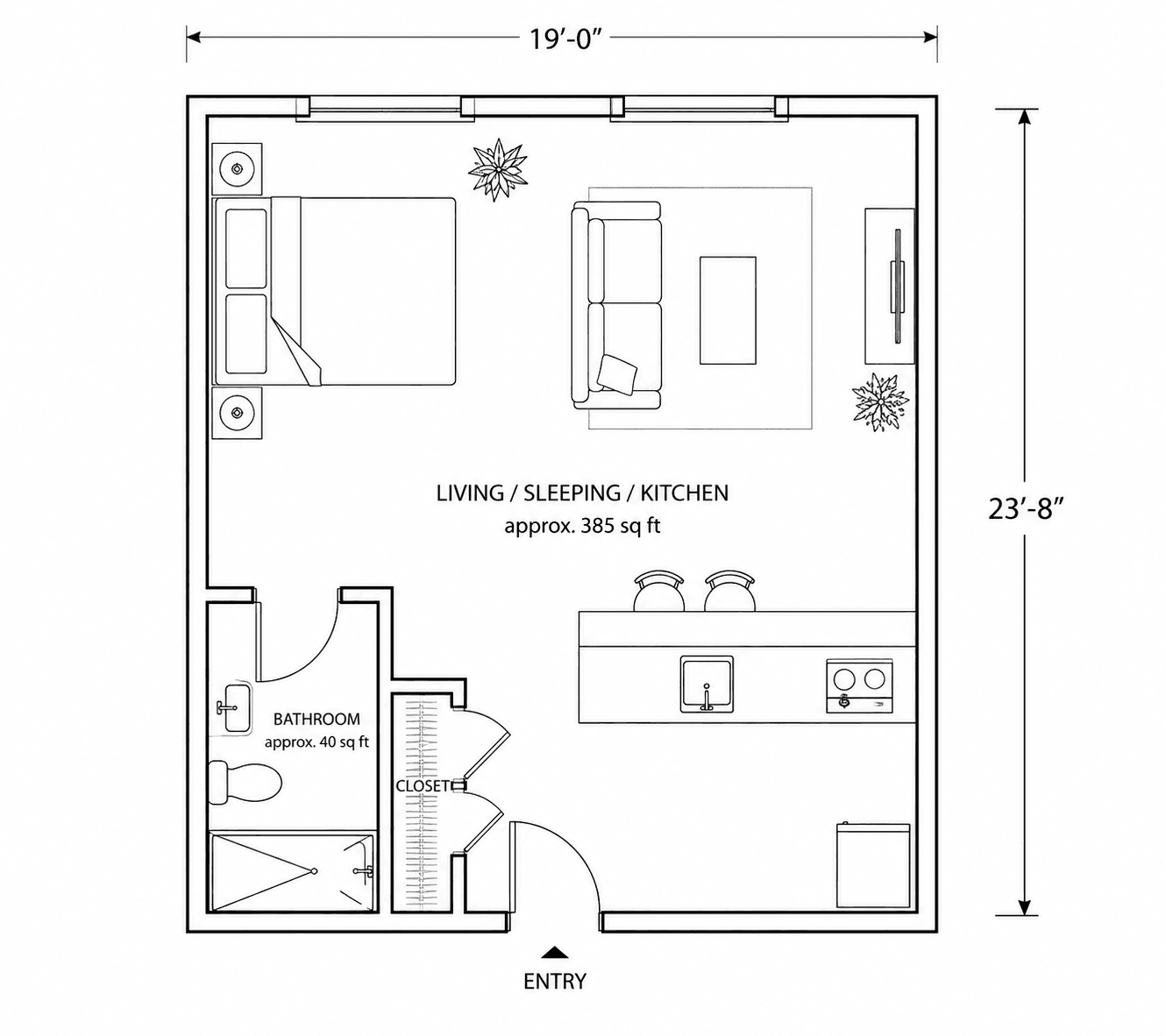
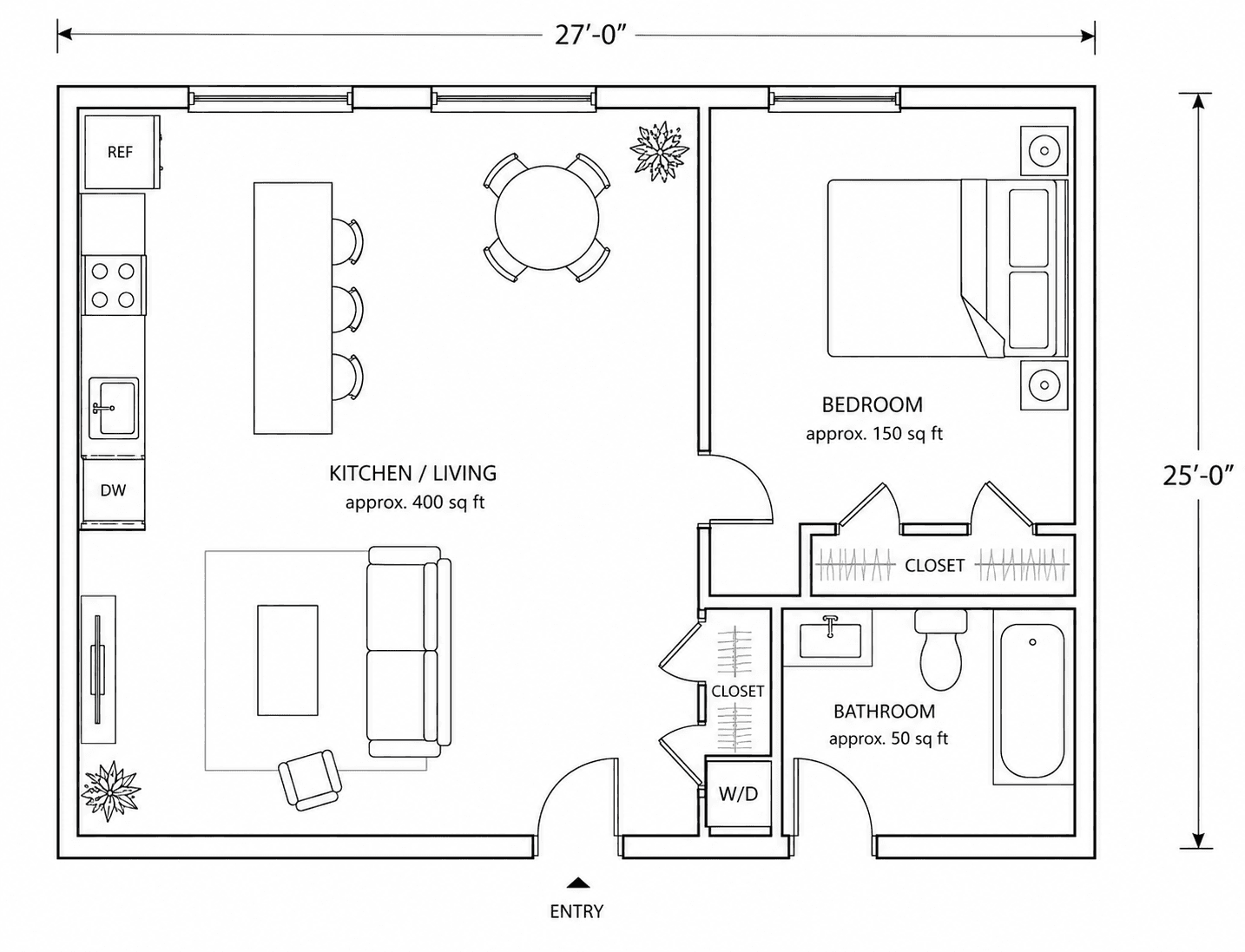
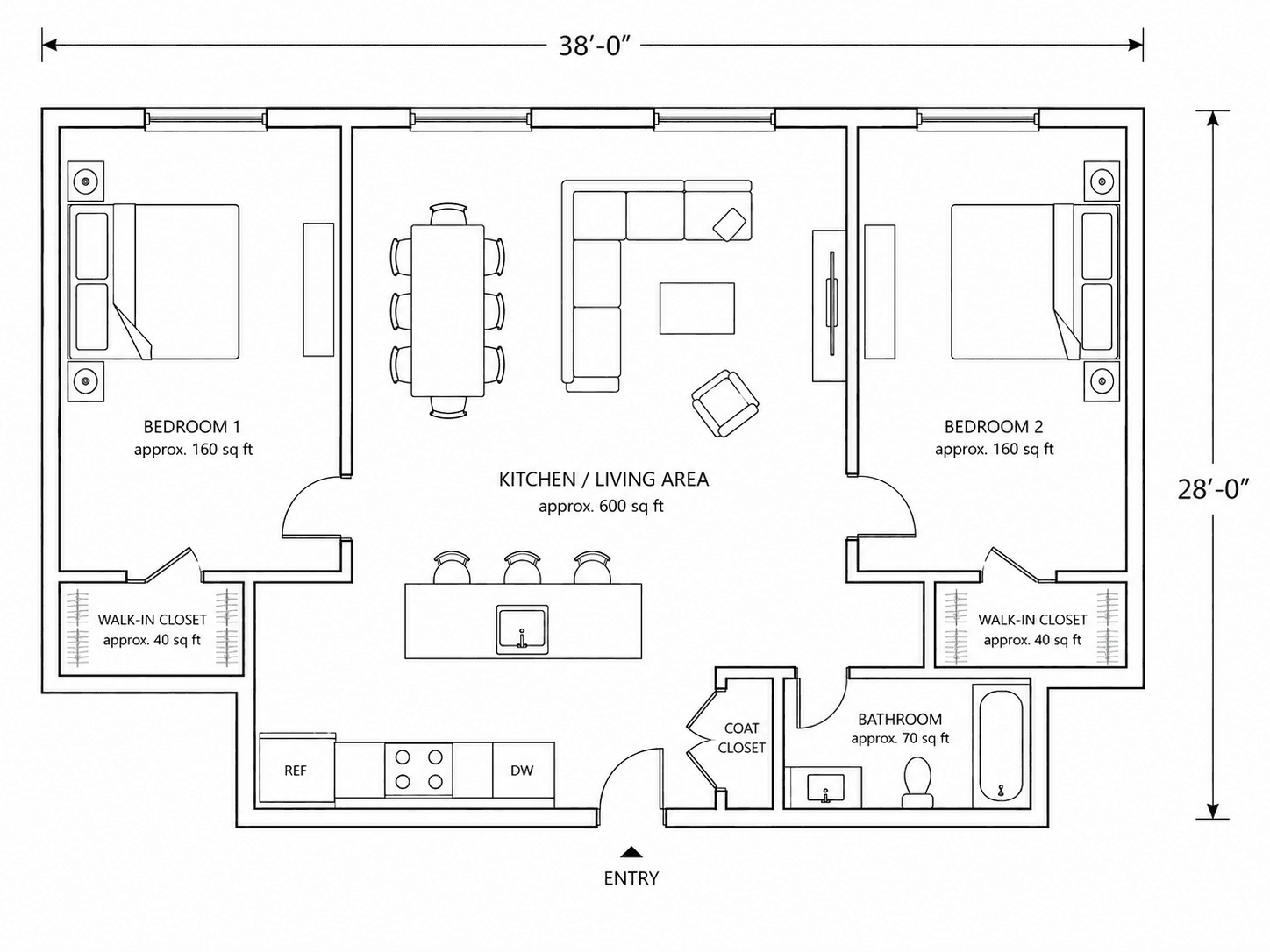
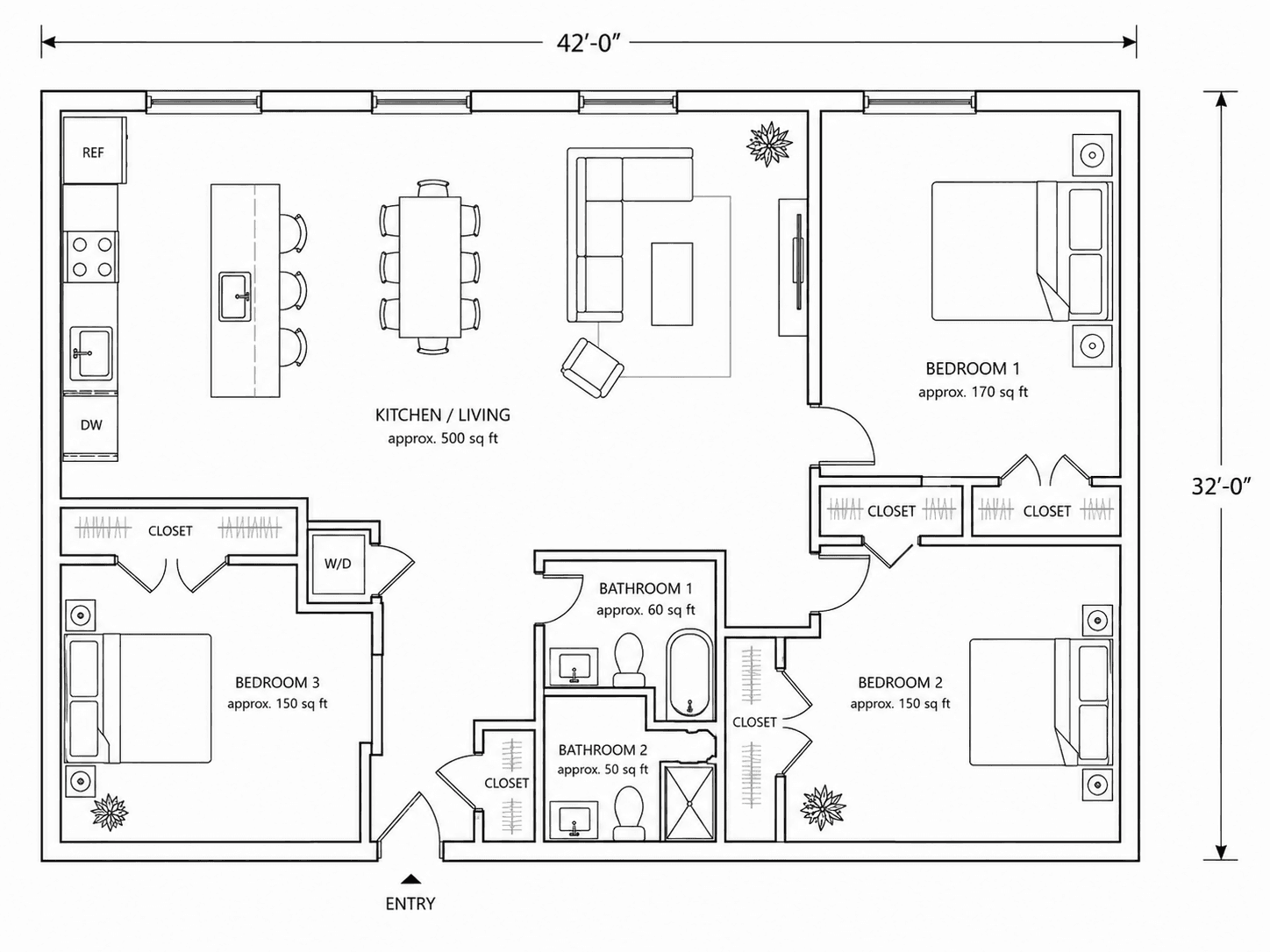
A quick breakdown by job size, based on real NYC homeowner-reported figures. For the full calculator and price drivers by apartment size, see the painting cost guide linked below.
What actually drives painting cost
Prep is usually the biggest factor, more than the paint itself. Real NYC painters and subcontractors commonly report day rates of $700 to $1,000 a day per painter, which lines up with the ranges above for a 1-bedroom job (2 to 3 days, one or two painters). A solo painter working by the hour reports rates in a similar range nationally, commonly cited between $50 and $160 an hour depending on scope and region.
Quotes well below the ranges above are usually a different, cheaper tier of job, not a bargain on the same work. Building supers and handymen commonly turn over a unit between tenants for around $1,000 to $1,500 on a 1-bedroom, often one coat with minimal prep. That is a real, reasonable price for that scope, but it is not directly comparable to a fuller job with real prep and two coats, which is why reported prices for a similarly sized apartment can vary by 3x or more.
Get more than one quote before assuming a high number is normal, too. One NYC studio owner was quoted $6,200 for a 349 square foot job (with some electrical-repair patching included) and called it exorbitant, while insured contractors elsewhere in the city were reporting $2,500 to $4,500 for a full 1-bedroom around the same time. A single high quote is a reason to compare, not proof that prices have moved that high everywhere.
- Prep and repairs: patching, sanding, and caulking are most of the labor hours on any job.
- Number of coats: a color change from dark to light, or bare drywall, often needs an extra coat or a tinted primer.
- Scope: adding ceilings, trim, and doors to a walls-only job adds real time and cost.
- Ceiling height and access: tall ceilings and walk-up buildings add 20 to 30 percent in some estimates.
- Occupied vs vacant: painting around furniture and daily life takes longer than an empty apartment.
- Lead-safe work: required certified practices for pre-1978 buildings can add 30 to 100 percent or more.
- Co-op or condo insurance rules: board-required minimums add a real, if smaller, cost.
How to choose and vet a painter
A good painter should be easy to verify and clear about scope. The strongest signal is a written quote that spells out exactly what you are paying for.
- Confirm a current certificate of insurance (COI). For co-ops and condos, the COI usually must name your building before work can start, and board-required insurance minimums, sometimes $1 million to $5 million, are often non-negotiable rather than a nice-to-have. This is a real reason an insured quote can run meaningfully higher than an uninsured handyman would charge, not just paperwork.
- Ask for a written scope: number of coats, the paint product, prep steps, timeline, and cleanup.
- Check recent reviews and ask for two local references for similar jobs.
- Be cautious of cash-only deals, deposits over 50 percent, or anyone who will not show proof of insurance. That said, being insured does not automatically mean better work: real NYC homeowners report mixed results from insured crews too, so a written scope and real references still matter even once insurance is confirmed.
- Get the price in writing before work starts, and be wary if it climbs once the crew is already in your apartment. Real homeowners have been quoted one number, then told a meaningfully higher one mid-job with no clear reason. A written scope up front is your main protection against this.
Check if your quote looks fair
Already have a quote? See how it compares to real NYC reporting, not a single made-up "fair price."
Where $3,200 falls for a 1 bedroom
Turnover tier (basic repaint, minimal prep) vs the typical full-job range with standard prep.
What's included in a professional paint job
Comparing quotes is easier once you know what should already be in scope by default, and what usually costs extra.
- Move and protect your furniture
- Protect floors and trim with drop cloths and tape
- Patch nail holes and small imperfections
- Sand and prime where needed
- Apply two coats for full, even coverage
- Clean up and haul away debris when finished
- Usually NOT included: major drywall repair, wallpaper removal, mold remediation, or moving large or heavy furniture. Ask upfront if your job needs any of these, since they are commonly quoted separately.
Interior vs exterior
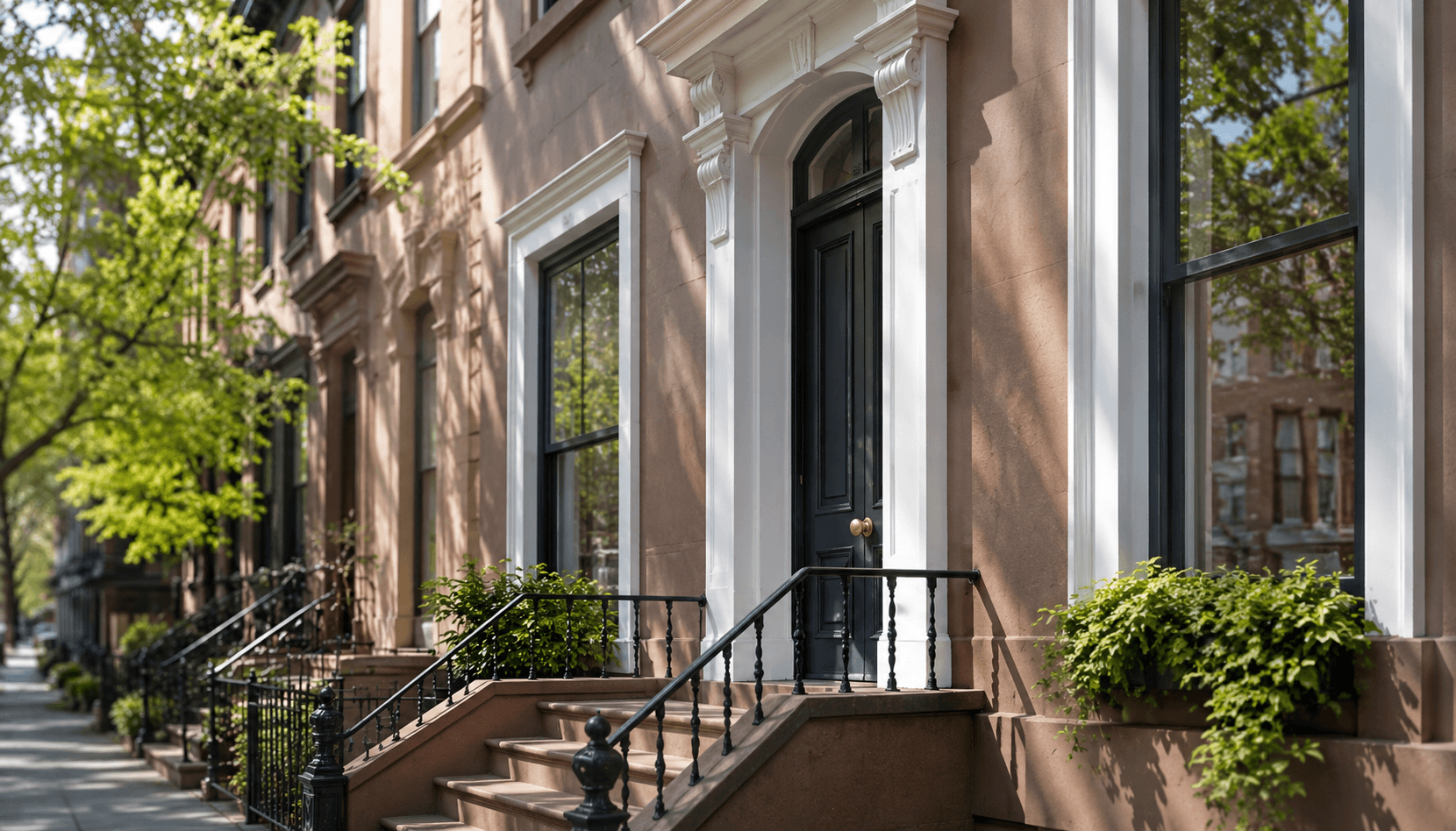
Most NYC painting is interior apartment work: walls, ceilings, trim, and doors. Exterior work on houses and brownstones needs more prep, weather windows, and setup, so it usually costs more per square foot and takes longer.
NYC lead-paint rules
Homes built before 1978 may contain lead paint. For buildings built before 1978 where paint will be disturbed and a child under 6 lives there, the federal EPA Renovation, Repair and Painting (RRP) rule requires certified, lead-safe practices, and hiring a lead-safe certified contractor is legally required, not optional.
A separate NYC rule, Local Law 1 of 2004, applies to an even older threshold: it presumes lead-based paint in any residential building built before 1960, and requires landlords to investigate and remediate lead-paint hazards where a child under 6 lives. These are two distinct laws with two different threshold years, not one rule restated.
Painting by borough
Prices and access vary across the city. Walk-ups, elevators, and parking all affect labor, and building rules differ by co-op, condo, and rental. Compare licensed painters directly where your job is.
How Servhom Uses This Guide
This guide becomes the trust education layer that our service pages can link to. It explains what homeowners should check before hiring, while Servhom builds source-labeled provider data, money-blind ranking, and fair-price tools.
FAQ
Do I need a licensed painter in NYC?
Painting can fall under NYC's Home Improvement Contractor license when it is part of a larger home-improvement job. Regardless of licensing, hire a painter who carries insurance, and for buildings built before 1978, one who is lead-safe certified. Confirm the specifics for your job before you sign.
How many quotes should I get?
At least three, each with the same written scope, so you are comparing like for like. Big gaps between quotes usually mean the scope or prep is different, so ask.
What is a COI and why do co-ops ask for it?
A certificate of insurance proves the painter carries liability and workers compensation coverage. Many co-op and condo boards require a COI that names the building before any work can begin.
Should I supply the paint or let the painter?
Either works. Painters often get trade pricing and know which products hold up in NYC apartments. Supplying your own can save a little, but it shifts responsibility for coverage and touch-ups onto your product choice.
Is it cheaper to hire a painter or do it yourself?
DIY is usually cheaper in dollars but not necessarily in total cost once your time and prep quality are factored in. Pros typically get contractor pricing on paint (roughly 10 to 30 percent off retail), and rushed DIY prep is the most common reason a paint job looks fine for a few months and then fails early. DIY makes the most sense for a small, low-prep room where you have real time to spend. For buildings built before 1978 where paint will be disturbed and a child under 6 lives there, hiring a lead-safe certified contractor is legally required, not optional either way.
How much should I pay a painter per day?
Real NYC painters and subcontractors commonly report $700 to $1,000 a day per painter, which lines up with the $2,500 to $4,000 total range for a standard 1-bedroom job (2 to 3 days, one or two painters). A solo painter charging by the hour commonly reports rates between $50 and $160 an hour depending on scope, which works out to a similar range for a full day.
How much would a painter charge to paint a 12x12 room?
A standard 12x12 room with 8-foot ceilings and standard prep (walls only) typically runs $300 to $500 for a professional job. Add roughly $100 to $150 if the ceiling is included, and $150 to $250 more for trim and doors.
Does my NYC landlord have to repaint my apartment?
Under NYC Administrative Code Section 27-2013, landlords of most multiple dwellings are required to repaint an occupied apartment every 3 years if the tenant requests it. If you paint it yourself with the landlord's knowledge, most leases and buildings expect you to restore the original color before move-out, or risk a deduction from your security deposit, especially for darker colors. Check your specific lease and confirm any color change with your landlord or management office in writing first.